## The Role of Website Directories in Improving Site Performance
Website directories are often treated as a relic of the early internet, but in modern web architecture they still matter in a very practical way. For organizations managing large content libraries, e-commerce catalogs, or documentation portals, a well-designed Website Directory can influence how quickly users find information, how efficiently search engines crawl pages, and how much load lands on critical systems. That matters because Site Performance is no longer judged only by server speed; it is shaped by information architecture, indexing behavior, and the amount of unnecessary friction between a visitor and the content they want. In 2010, Google’s Caffeine update changed how quickly new pages could be indexed. Since then, search engines have only become more sensitive to structure, internal linking, and crawl efficiency. At the same time, user expectations have tightened. Google’s research has long shown that as mobile page load times rise from 1 to 3 seconds, bounce probability increases sharply. In a world where Amazon has estimated that every 100 milliseconds of latency can affect revenue, navigation design is not just a usability issue. It is part of the performance stack. ## Why a Website Directory Still Matters A Website Directory is essentially a structured map of content. It groups pages into logical categories, making it easier for both people and bots to understand what the site contains. On a small brochure site, that might seem unnecessary. On a site with thousands of URLs, it can be the difference between orderly retrieval and navigational chaos. Search engines follow links to discover content. If important pages are buried several clicks deep or linked inconsistently, crawl budgets are wasted. Google has publicly stated that crawl budget becomes relevant for larger sites, especially those with many low-value URLs or constantly changing inventories. A clean directory reduces that waste by clarifying which sections matter most and how they relate to each other. For users, the effect is more immediate. A directory page with clear categories reduces pogo-sticking, the behavior where visitors bounce between pages because they cannot find the right destination. In enterprise support portals, for example, a directory of product manuals can cut support ticket volume by steering users to the correct document before they open a case. ## How Structure Affects Site Performance 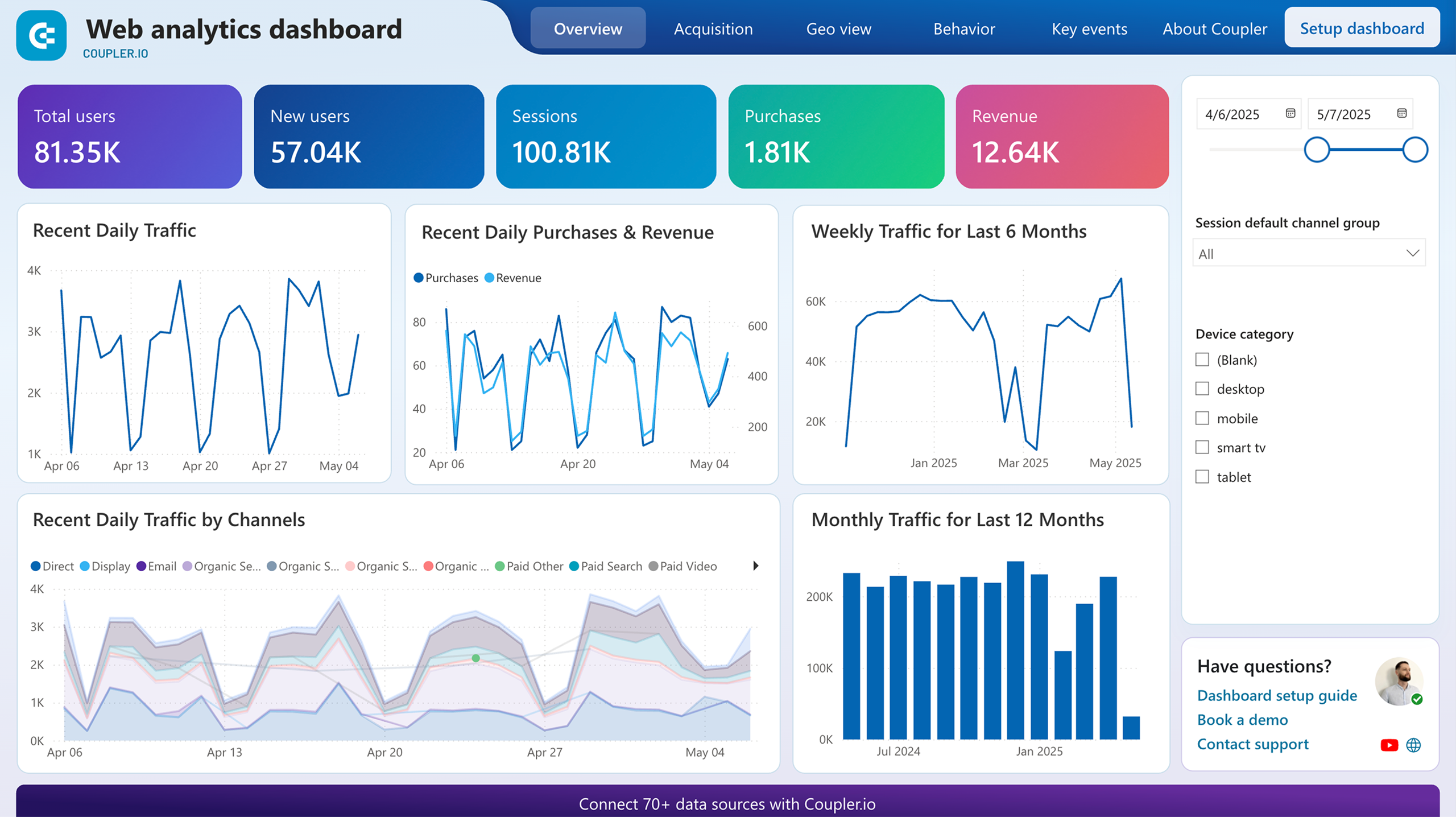 Site Performance is usually discussed in terms of Core Web Vitals, CDN latency, or database query time. Those are essential, but they are only part of the picture. Information architecture affects performance in several indirect ways. First, a cleaner Website Directory reduces the number of duplicate or near-duplicate pages that search bots need to process. Second, it encourages internal linking patterns that spread authority efficiently across the site. Third, it often improves caching behavior because users and crawlers repeatedly request predictable hub pages instead of jumping randomly through the site. There is also a technical angle on server load. Directory pages can function as stable entry points that absorb traffic spikes. A news organization, for instance, may route readers through topic hubs such as politics, business, or technology before they land on article pages. Those hubs can be heavily cached, which lowers origin requests and helps preserve Site Performance during traffic surges. ## Practical Design Patterns That Work The best directories are not just lists. They behave like controlled navigation systems. – Use shallow hierarchy where possible, keeping high-value pages within three clicks of the homepage. – Create category pages with descriptive titles and concise summaries, not keyword-stuffed labels. – Avoid exposing every low-value filter or parameterized URL in the directory. – Pair directory pages with XML sitemaps so search engines have both human-readable and machine-readable paths. – Review analytics to see whether users exit from a directory page or continue deeper into the site. This approach is common in large software documentation systems. Atlassian, Microsoft, and Adobe all rely on layered documentation structures because users need fast access to product-specific help without wading through unrelated material. In those environments, a Website Directory is not decorative; it is a support tool that reduces friction at scale. ## Real-World Impact on SEO and User Behavior A well-maintained directory can influence click-through rates, dwell time, and crawl coverage. Sites that reorganize content into clearer topic clusters often see better indexing of long-tail pages because the relationship between hub and leaf pages becomes easier to understand. One useful example comes from e-commerce. Retailers with tens of thousands of SKUs routinely use category directories to help both shoppers and search engines. When product lines change seasonally, a directory can preserve continuity even as individual products rotate. Internet Resources That stability matters because it prevents orphaned pages and keeps internal PageRank flowing to current inventory. Research from Akamai has repeatedly shown that small delays can have measurable business effects, and Google has publicly tied page experience to ranking considerations. Put simply, improving Site Performance is not only about compressing images or minifying JavaScript. It is also about creating a directory model that lets users reach content quickly and lets crawlers process the site without confusion. ## What Teams Should Measure Next To make directory improvements meaningful, teams should track a mix of technical and behavioral metrics. Crawl depth, index coverage, organic landing-page distribution, and directory-page exit rates all tell part of the story. On the performance side, monitor LCP, INP, and TTFB before and after structural changes. If a Website Directory redesign improves navigation but adds heavy scripts or oversized thumbnails, the gains can vanish. The most effective teams treat structure as an engineering decision. They version-control navigation templates, test changes in staging, and validate with logs rather than intuition. That is increasingly important as sites expand into multilingual publishing, AI-generated search experiences, and personalized content delivery. In those contexts, a directory that is simple for humans and explicit for crawlers can keep Site Performance stable even as the content layer becomes more complex. The next generation of web platforms will likely rely less on sprawling menu trees and more on intent-based navigation, semantic tags, and API-driven content discovery. But the underlying goal will stay the same: help the right user reach the right page with the fewest wasted steps. A disciplined Website Directory is still one of the most reliable ways to get there.